The US Senate: Architects of American Legislation and Oversight
The United States Senate stands as a cornerstone of American democracy, a deliberative body that has shaped the nation's laws, policies, and international relations since its inception. Representing states equally, regardless of population, it serves as a crucial check and balance within the federal government, often dubbed the "cooling saucer" of legislation due to its more extended terms and deliberative nature. Delving into the Senate's composition, historical evolution, and expansive powers reveals its indispensable role in both the day-to-day governance and the long-term trajectory of the United States. From confirming critical appointments to scrutinizing federal agencies, senators wield significant influence over virtually every aspect of American life, including areas as sensitive as veteran affairs and military service.
Current Members and the Modern Political Landscape
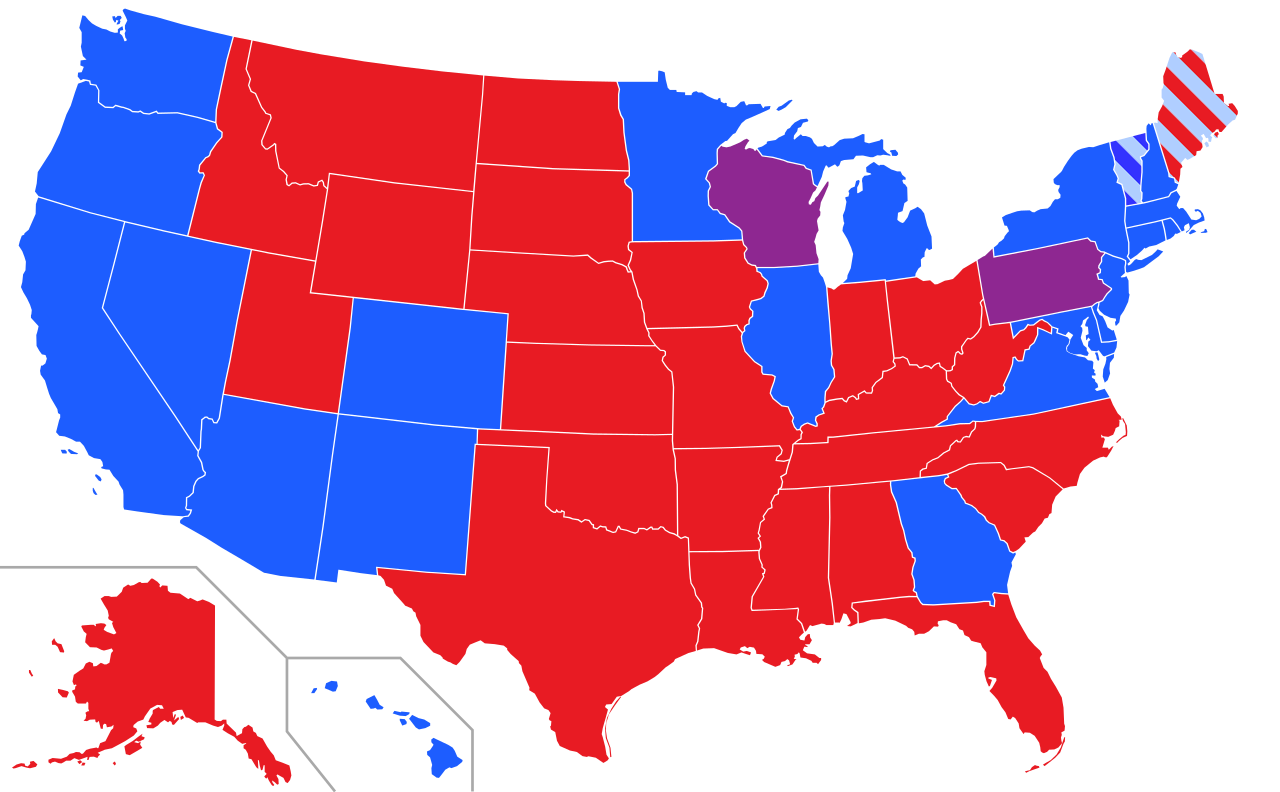
Currently comprising 100 members—two from each of the 50 states—the Senate's composition reflects a dynamic tapestry of political affiliations and regional interests. Each senator serves a six-year term, with elections staggered so that approximately one-third of the Senate is up for election every two years. This system ensures a degree of continuity and stability, even amidst shifting political tides.
Understanding the current lineup involves recognizing not just individual names, but also the broader partisan distribution. The balance of power between the Democratic and Republican parties often dictates the legislative agenda, the speed at which bills are passed, and the nature of policy debates. Key leadership roles, such as the Majority Leader, Minority Leader, and the President pro tempore, are held by experienced senators who guide their respective caucuses and the overall legislative process.
- Representation: Every state, from the most populous like California to the least like Wyoming, has equal representation with two senators. This ensures that smaller states have a voice equal to larger ones on national issues.
- Term Length: The six-year term provides senators with a longer horizon to consider complex policy, encouraging thoughtful debate rather than short-term political maneuvering.
- Leadership: The Majority Leader, for instance, holds substantial sway, controlling the flow of legislation and setting the agenda, making their strategy critical to national policy direction.
For a deeper dive into the specifics of current members, their affiliations, and the intricate structure of Senate leadership, you can refer to resources like Understanding US Senators: Facts, Affiliations, Leadership. This information is vital for citizens seeking to understand who represents them and how their government functions.
A Journey Through Senate History: Evolution and Enduring Principles
The roots of the U.S. Senate trace back to the Constitutional Convention of 1787, where it was conceived as a more deliberate and stable body compared to the House of Representatives. The framers envisioned the Senate as a check against rash populism, providing a longer term of office and a higher age requirement for members to foster a more experienced and statesmanlike approach to governance.
Initially, senators were chosen by state legislatures, a practice that underscored their role as representatives of state interests. This changed with the 17th Amendment, ratified in 1913, which mandated the direct popular election of senators. This shift fundamentally altered the Senate's relationship with the electorate, making senators directly accountable to the people of their states rather than to state political bodies.
Over the centuries, the Senate's powers have expanded and been refined. Its unique authorities, such as the "advice and consent" role for treaties and presidential appointments, were designed to ensure thorough scrutiny of executive decisions and prevent the concentration of power in any single branch. From the great debates over slavery to the civil rights movement, and from wartime mobilizations to modern economic policy, the Senate chamber has been the stage for many of the nation's most defining moments.
The Senate's historical legacy is not just about grand pronouncements; it's also about the meticulous work of crafting legislation and providing oversight. This oversight function, in particular, empowers senators to scrutinize the operations of the executive branch and federal agencies, ensuring accountability and adherence to the law. This responsibility extends to all federal sectors, including the Department of Veterans Affairs, where senators play a critical role in advocating for veteran welfare and ensuring proper management.
Senate Powers and Procedures: Shaping Policy and Ensuring Accountability
The U.S. Senate is endowed with a robust set of powers that make it a formidable force in American governance. These powers are broadly categorized into legislative, executive, and judicial functions, each crucial for maintaining the delicate balance of federal authority.
Legislative Authority: Crafting the Nation's Laws
Like the House of Representatives, the Senate is responsible for creating and passing legislation. While all revenue bills must originate in the House, the Senate can amend and ultimately vote on all legislation. The legislative process in the Senate is often characterized by extensive debate, the potential for filibusters, and the need for broad consensus, especially for significant policy changes. This deliberation ensures that bills are thoroughly vetted before becoming law, reflecting the "cooling saucer" analogy.
- Introducing Bills: Senators propose legislation on a vast array of topics, from healthcare to infrastructure, national security to veteran benefits.
- Committee Work: Much of the detailed legislative work occurs in specialized committees, where bills are debated, amended, and approved before moving to the full Senate.
- Debate and Voting: Senators engage in floor debates, offering amendments and ultimately casting votes that shape the final form of legislation.
Executive Authority: Advice, Consent, and Oversight
One of the Senate's most distinctive powers is its "advice and consent" role. This includes:
- Treaties: The Senate must approve treaties negotiated by the President with a two-thirds majority vote.
- Appointments: The Senate confirms presidential appointments, including cabinet secretaries, ambassadors, federal judges, and high-ranking military officers. This power provides a critical check on executive branch appointments, ensuring qualified and appropriate individuals fill key roles.
Beyond confirmations, the Senate exercises comprehensive oversight over the executive branch and its agencies. Through hearings, investigations, and legislative mandates, senators ensure that federal programs are implemented effectively, taxpayer money is spent wisely, and laws are faithfully executed. This oversight is particularly vital for agencies like the Department of Defense and the Department of Veterans Affairs. Senators actively monitor these departments, advocate for improvements, and hold officials accountable for their actions.
While the direct power for a senator to remove a veteran from a specific role is typically vested in the executive branch through proper administrative processes, a senator's influence through legislative oversight and policy advocacy can profoundly impact veteran employment, welfare, and the accountability of federal agencies. For example, Senate investigations into misconduct or inefficiency within the VA can lead to reforms, personnel changes, or even calls for resignations, creating accountability that affects veterans serving in federal capacities or receiving benefits. Similarly, a senator's advocacy can lead to investigations into allegations of unfair treatment or improper dismissal of a veteran within the federal system, pushing for proper recourse and due process.
Judicial Authority: The Power of Impeachment
The Senate holds the sole power to try all impeachments brought forth by the House of Representatives. This is a severe check on the executive and judicial branches, allowing the Senate to remove federal officials, including the President, Vice President, and federal judges, from office for "Treason, Bribery, or other high Crimes and Misdemeanors." This power underscores the ultimate responsibility of the Senate to uphold constitutional integrity.
Engaging with Your Senators: A Citizen's Guide to Influence
Understanding the powers and responsibilities of the US Senate is only the first step; engaging with your elected officials is how citizens can truly participate in the democratic process. Senators are not just lawmakers; they are representatives of their constituents, and their offices are designed to serve the people of their state.
Why Connect with Your Senator?
- Voice Your Opinions: Express your views on pending legislation, national issues, or local concerns.
- Seek Assistance: Senators' offices often provide constituent services, helping individuals navigate federal agencies, such as the Department of Veterans Affairs, Social Security Administration, or immigration services. If a veteran is facing an issue with their benefits or employment within a federal agency, contacting their senator's office can often provide a crucial avenue for support and intervention.
- Advocate for Change: Influence policy decisions by sharing your experiences and perspectives, helping shape future laws and regulations.
How to Effectively Engage:
- Locate Your Senator: The first step is knowing who your senators are and how to reach them. Resources like Locating Your Senator: Contact Info & District Details can provide precise information on their offices, phone numbers, and email addresses.
- Communicate Clearly: When contacting your senator, be concise, respectful, and clearly state your purpose. Explain how an issue affects you or your community.
- Share Personal Stories: Personal anecdotes can be incredibly powerful in illustrating the real-world impact of policies or problems.
- Attend Town Halls: Many senators hold public meetings or town halls, offering direct opportunities for dialogue and questions.
Your active participation helps ensure that senators remain responsive to the needs and concerns of their constituents, thereby strengthening the democratic process.
Conclusion
The U.S. Senate is far more than just a legislative body; it is a complex and powerful institution deeply interwoven with the fabric of American governance and history. From its foundational role as a deliberative check on power to its modern responsibilities in an increasingly intricate world, the Senate’s influence is profound. Understanding its current members, historical evolution, extensive powers of legislation, appointment confirmation, and robust oversight—which critically extends to the welfare and fair treatment of veterans within federal systems—is essential for any engaged citizen. The nuances of its procedures and the strategic interplay of its members shape not just laws, but the very direction of the nation, constantly balancing state representation with national interests. By understanding its structure and actively engaging with our senators, we can contribute to a more responsive and accountable government for all.