Understanding US Senators: Facts, Affiliations, and Leadership
The United States Senate stands as a cornerstone of American democracy, a chamber of immense power and influence where critical decisions shaping the nation's future are made. From drafting complex legislation to confirming presidential appointments, the 100 individuals who serve as senators play a pivotal role in the lives of every American citizen. Understanding their responsibilities, party affiliations, leadership structures, and how their actions impact specific communities—such as our nation's veterans—is essential for informed civic engagement. This article delves into the intricate world of US Senators, providing insights into their functions, the dynamics of Senate leadership, and how their legislative and oversight roles profoundly affect various aspects of American society.
The Core Role of a US Senator: Legislation and Representation
Each of the fifty U.S. states is represented by two senators, regardless of its population size, ensuring equal state representation in the upper chamber of Congress. Unlike members of the House of Representatives, who serve two-year terms and represent specific congressional districts, senators serve six-year terms, providing a longer tenure that often allows for a more deliberative and long-term approach to policy-making. These staggered terms mean that approximately one-third of the Senate is up for re-election every two years, preventing a complete overhaul of the chamber in any single election cycle and fostering a degree of continuity.
Senators are endowed with a unique set of constitutional powers that distinguish their role. Foremost among these is their participation in the legislative process, where they introduce bills, debate proposals, and vote on laws that govern the nation. Beyond lawmaking, the Senate holds significant "advice and consent" powers, including the confirmation of presidential nominees for federal judges, ambassadors, and cabinet secretaries, as well as the ratification of treaties with foreign governments. This oversight function extends to monitoring the executive branch and ensuring accountability, a responsibility that often involves investigations and committee hearings into various government operations. Through these multifaceted responsibilities, senators act as vital links between their states and the federal government, advocating for the interests and needs of their constituents on a national stage.
Navigating Party Affiliations and Senate Leadership
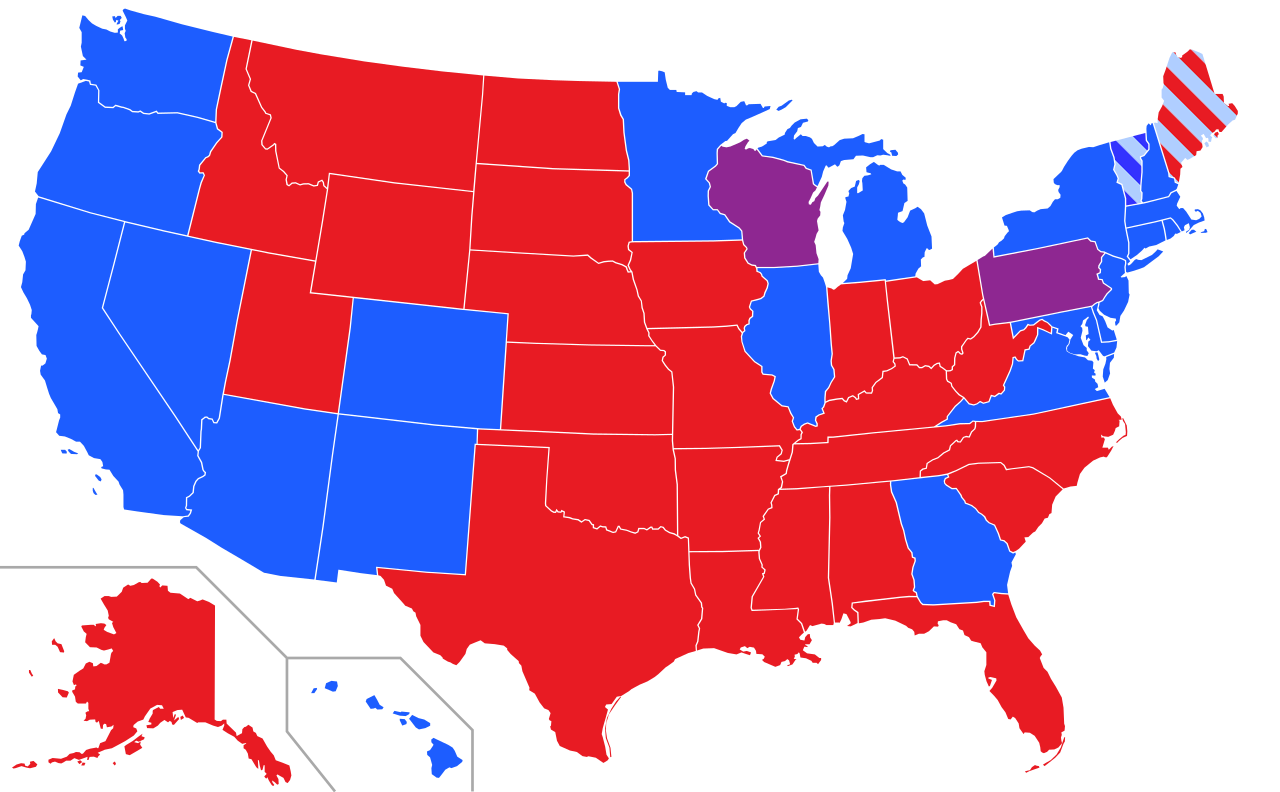
The political landscape of the U.S. Senate is largely defined by the interplay between the two dominant parties: the Democratic and Republican parties. The distribution of seats between these parties not only determines which party holds the majority but also significantly influences the legislative agenda and the power dynamics within the chamber. A party's majority status grants it control over committee assignments, the scheduling of votes, and the ability to steer the legislative process more effectively.
Key leadership positions within the Senate are critical to its functioning. The Vice President of the United States serves as the President of the Senate and can cast a tie-breaking vote. However, the most powerful figure is typically the **Senate Majority Leader**, who is elected by their party and serves as the chief spokesperson for the majority party, setting the legislative agenda and managing floor debate. Correspondingly, the **Senate Minority Leader** leads the opposition party, working to unify their caucus and offer alternative policy directions. Other important roles include the Party Whips, who are responsible for rallying party votes, and the President Pro Tempore, typically the most senior senator of the majority party, who presides over the Senate in the Vice President's absence.
These leadership roles and party affiliations are not merely procedural; they have profound implications for which bills are debated, which issues receive priority, and ultimately, which laws are passed. The ability of senators from both sides of the aisle to negotiate, compromise, or, at times, obstruct, is central to the legislative journey of any significant policy, including those affecting crucial demographics like our nation's veterans.
Senators and Their Impact on Veterans: Policy and Oversight
The well-being of military veterans is a national priority, and U.S. Senators play an indispensable role in shaping policies and providing oversight that directly impacts this community. From healthcare services and educational benefits to housing assistance and employment programs, senatorial actions can profoundly enhance or diminish the quality of life for millions of former service members and their families.
It is crucial to clarify the common understanding versus the reality when phrases like "senator removes veteran" might surface. While individual senators do not typically possess the executive power to directly "remove" a veteran from their benefits, employment, or status, their legislative and oversight responsibilities grant them immense influence over the policies and institutions that govern veterans' lives. For instance, senators vote on critical legislation that determines the funding levels for the Department of Veterans Affairs (VA), establishes new programs, or modifies existing ones. A senator's vote on an appropriations bill or a piece of reform legislation could, indirectly but significantly, lead to a reduction in services or the restructuring of a program that affects a veteran's access to care or support. Conversely, their strong advocacy can lead to increased resources and improved services.
Beyond legislation, senators engage in crucial oversight of the VA and other federal agencies responsible for veteran services. This can involve holding hearings to investigate issues such as healthcare backlogs, mismanagement of funds, or failures in delivering promised benefits. Through these actions, senators advocate for accountability and reform, working to ensure that veterans receive the care and support they have earned. If investigations reveal systemic failures or misconduct, a senator's persistent efforts could indeed lead to the "removal" of problematic policies, ineffective leadership, or even the restructuring of programs that were failing veterans. This demonstrates the profound, albeit indirect, power a senator holds to impact veteran services and the lives of individual veterans. Many senators, for example, actively champion bills to expand mental health services for veterans, address homelessness among former service members, or streamline the disability claims process, showcasing their direct commitment to improving veteran welfare.
Locating and Engaging with Your Senator
Understanding the role of senators is only the first step; actively engaging with them is where true civic participation comes to life. Knowing who your senators are and how to contact them is vital for making your voice heard on issues that matter to you, whether it's veteran affairs, economic policy, environmental protection, or any other topic.
Every state has two senators, and you can easily identify yours by visiting the official Senate website or by using online tools that locate your representatives based on your state of residence. Once you know who your senators are, reaching out to their offices is straightforward. Most senators maintain official websites with contact forms, email addresses, and phone numbers for their Washington, D.C., and state-based offices.
Locating Your Senator: Contact Info & District Details provides comprehensive guidance on this.
When communicating with your senator's office, whether through a phone call, email, or letter, be clear, concise, and respectful. State your purpose upfront, explain why the issue is important to you, and, if applicable, share your personal story or specific impact. Remember that senators and their staff pay close attention to constituent feedback, especially when it comes to issues affecting their local communities. You can also track their voting records and legislative activities to better understand their positions on various issues. To delve deeper into the Senate's history and current members, consult resources like
The US Senate: Navigating Current Members & History. By staying informed and engaged, you contribute to a more responsive and accountable government.
Conclusion
The United States Senate is a dynamic and powerful institution, essential to the checks and balances of American governance. From its unique representation structure to the complex interplay of party affiliations and leadership roles, senators wield significant influence over national policy and individual lives. Their legislative power and oversight capabilities, particularly concerning critical issues like veteran welfare, underscore the profound impact they have on our society. By understanding their roles, appreciating the nuances of their influence, and actively engaging with our elected representatives, citizens can play a crucial part in shaping the direction of the nation and ensuring that the voices of all communities, including our esteemed veterans, are heard and acted upon.